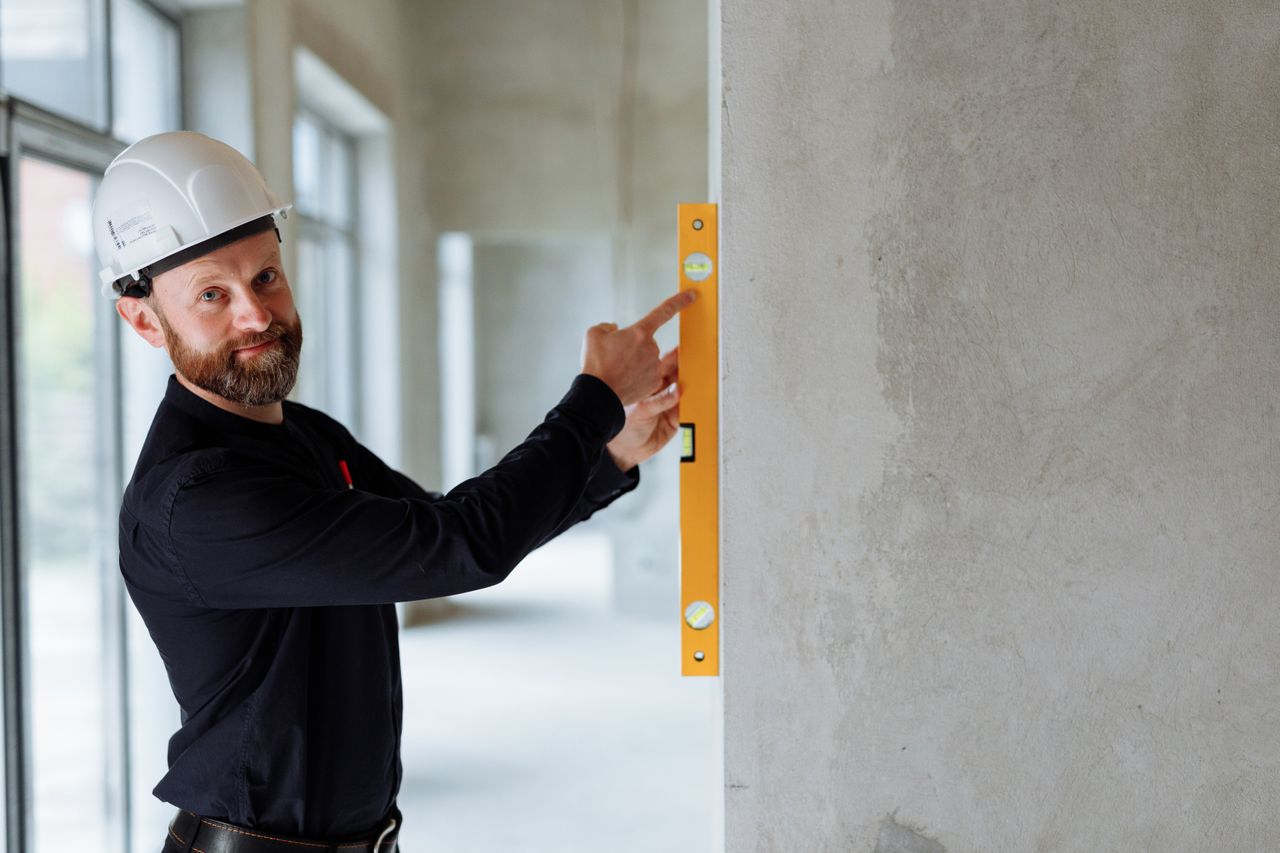
Buying in inner Brisbane moves fast. Contracts are tight, weekends are packed with open homes, and that building and pest clause can feel like a ticking clock. In my own inspections across Paddington, New Farm, West End, Teneriffe, Highgate Hill and nearby suburbs, I see buyers trying to make big decisions with very little time and a lot of noise from different advisers.
My job as a pre-purchase inspector is to cut through that. This guide sets out how I actually run inspections in inner Brisbane, what my reports do and don’t cover, and what I see work in practice when serious issues come up.
What a Pre-Purchase Inspection Really Is (and Is Not)
In simple terms, a pre‑purchase inspection is a detailed, visual health check of the property. Under the relevant Australian Standards, it is:
- Visual and non‑destructive
- Limited to areas that can be safely and reasonably accessed on the day
- A snapshot of condition, not a warranty or insurance policy
It is not:
- Ripping walls apart
- Certifying the property as “passed” or “failed”
- Guaranteeing that termites, leaks or structural movement will not appear in future
When I inspect, I am there to give you clear information about what is there on the day, how serious it is in my professional view, and what that might mean for your next steps under the contract. When everyone understands those boundaries, buyers, agents and solicitors generally work together more smoothly instead of arguing over what “should have been checked”.
How a Brisbane Pre‑Purchase Inspection Typically Runs
In inner Brisbane, most of my work sits under the standard REIQ/Queensland contract with a 7‑day (sometimes 10‑day) building and pest clause. Here is how that process usually works in practice.
1. Booking (Day 0, 1)
- You, your buyer’s agent or your solicitor contacts my office with the signed contract details and the deadline for the building and pest condition.
- I confirm scope (building only, timber pest only, or combined), fees, and who should receive the report (you, your solicitor, buyer’s agent, sometimes your broker).
- If there are known issues (e.g. past termite treatment, structural engineer’s letter, significant renovations), I ask for those documents up front so I can read them before I arrive.
2. Access and Scheduling (Day 1, 2)
- We liaise directly with the selling agent or property manager to confirm a time that suits the seller/tenant and still keeps you inside your building and pest timeframe.
- For tenanted inner‑city apartments, access windows can be tight; I’ll usually advise if we need to push for an earlier slot to avoid missing your clause deadline.
3. On‑Site Inspection (Usually Day 2, 4)
- I walk through all accessible parts of the property, take photos, record notes and, on a combined inspection, check both building and timber pest issues during the same visit.
- If you can attend, I generally walk you through the key findings at the end in plain language. For time‑poor professional buyers, solicitors and buyer’s agents, I often do this via phone shortly after I leave site.
4. Report Preparation (Same Day or Within 24 Hours)
- I prepare a written report that follows AS 4349.1 (Pre‑purchase inspections, Residential buildings) and AS 4349.3 (Timber pest inspections). These standards set the minimum scope and the definitions I must use for defect categories.
- The report is structured to be readable for both lay buyers and professionals: summary first, then detail.
5. Report Delivery (Still Inside Your Clause)
- I email the report to you and any nominated parties (solicitor, buyer’s agent, broker) so everyone is working from the same information.
6. Verbal Debrief and Next‑Step Planning
- The debrief call is where my clients get the most value. I walk through:
- What is urgent vs. what is long‑term maintenance
- What is typical for the style/age of Brisbane property
- Whether I believe you should seek specialist input before making your decision
- For solicitors and buyer’s agents, we often talk through practical options: renegotiation, request for repairs, extension of the building and pest condition, or termination.
This step‑by‑step process is designed to preserve your contract rights and maintain momentum so you are not scrambling at 4:30 pm on the last day of your building and pest clause.
What Is Actually Included in a Standard Inspection
My building inspections follow AS 4349.1 and my timber pest inspections follow AS 4349.3. In plain terms, those standards require me to complete a careful visual check of all areas I can safely and reasonably reach, without damaging the property.
Typical areas I inspect include:
- Roof exterior and roof void, where safe access is possible
- Subfloor spaces under Queenslanders and raised homes
- Internal rooms, walls, ceilings, floors and doors
- External walls, cladding, stairs and verandahs
- Wet areas like bathrooms, kitchens and laundries
- Garages, carports, decks, balconies and accessible retaining walls
In inner Brisbane, how that plays out depends heavily on the property type.
Character Queenslanders: Paddington, Red Hill, Highgate Hill, New Farm
In pre‑war character homes on timber stumps I am usually focused on:
- Original or partially replaced timber stumps (decay, movement, termite damage)
- Subfloor ventilation and moisture (often poor in tight inner‑city sites)
- Old floor framing and bearers near bathrooms and laundries
- Deck and stair safety, many have been added or altered over the years
- Roofing at end‑of‑life, especially corrugated metal roofs with patch repairs
- Evidence of historical termite activity and incomplete treatments
It is rare to find an older Queenslander with no defects. The question is how serious they are and what that means for your budget and risk tolerance.
Post‑War Weatherboard and Brick Veneer (Inner Ring Suburbs)
In post‑war timber and brick veneer homes, common themes include:
- Roof wear and past leaks, especially around old chimneys and extensions
- Bathrooms and laundries reaching the end of their waterproofing life
- Movement‑related cracking in brick veneer and masonry retaining walls
- Original services (old plumbing and wiring) that may now need updating
Inner-City Apartments and Townhouses (West End, Teneriffe, Newstead)
For strata properties, it is crucial to separate what I can inspect from what sits under the body corporate’s responsibility:
- I inspect the areas inside the lot: walls, ceilings, floors, windows, doors, internal wet areas, and any private courtyards/garages I can access.
- I visually note obvious issues with common property (e.g. roof leaks, façade cracking, ponding on podium levels) where observable from your lot or accessible areas, but I do not act as the body corporate’s engineer or advisor.
My report should always be read alongside:
- The body corporate records inspection or strata report
- Sinking fund forecasts and maintenance plans
- Fire safety, lift, and façade compliance documentation where relevant
For older commercial or mixed‑use buildings that include residential lots, a standard pre‑purchase inspection is often just the first filter. Depending on what I see, I may recommend you engage structural, fire or services specialists.
Key Limits, Exclusions and Inner Brisbane Quirks
The Australian Standards and Queensland licensing framework (including QBCC guidelines) set clear limits on what a standard pre‑purchase inspection includes.
A standard pre‑purchase building and pest inspection does not include:
- Destructive testing, like cutting into walls or floors
- Moving large furniture, stored goods or personal belongings
- Entering areas that are unsafe, locked or physically unreachable
- Detailed engineering assessments or certification
- Electrical or plumbing compliance certificates
- Invasive moisture testing or thermal imaging unless separately agreed
I also cannot promise the future. I cannot:
- Issue “pest‑free” certificates
- Guarantee that decks, roofs or retaining walls will perform for a set period
- Give a simple pass/fail outcome
What you receive is a professional opinion based on what I can see and touch on the day, guided by AS 4349.1 and AS 4349.3.
In inner Brisbane, a few recurring quirks are worth calling out:
- Asbestos: Very common in older character and post‑war homes. I identify suspected asbestos materials visually and recommend testing/management plans rather than removing samples myself during a standard inspection.
- Decks and Balconies: Elevated decks bolted onto old structures are a constant focus. I often recommend further structural assessment where I see inadequate connections, decay or overloading.
- Termite Pressure: Leafy, river‑adjacent suburbs (e.g. West End, Highgate Hill, New Farm) have real termite pressure, particularly around old landscaping, fences and underfloor areas.
- Layered Renovations: Many inner‑city homes have had multiple unrecorded or owner‑builder renovations. I flag inconsistent workmanship, waterproofing risks and non‑compliant balustrades for further specialist review.
Separating Building, Pest and Other Specialist Checks
I regularly see confusion around different inspection types. It is important to keep them distinct so your expectations are realistic.
- Building inspection: Looks at the overall condition of the structure and finishes, framing, cladding, roofing, internal linings, doors, windows, decks, stairs and visible structural elements.
- Timber pest inspection: Focuses on evidence of termite activity, borer and fungal decay, plus conditions that are conducive to infestation (poor ventilation, damp ground, timber in contact with soil, stored timber, etc.).
- Specialist reports: Go deeper into specific systems or risks: structural engineering, electrical, plumbing/drainage, pool safety, fire systems, façade/cladding, etc.
- Strata/body corporate records inspections: Desktop reviews of body corporate minutes, financials and maintenance plans. These are not the same as a physical inspection of your particular lot.
- Other building inspections: Pre‑handover (new builds), defect liability inspections, and periodic maintenance inspections have different scopes and assumptions compared to pre‑purchase inspections.
On a combined building and pest inspection, I run through both scopes during the same visit. When I find something that requires deeper investigation, I formally refer it on rather than trying to sign it off myself. That might mean suggesting:
- A structural engineer for significant cracking, deflection or movement
- An electrician for safety and compliance concerns with old or altered wiring
- A plumber or drainage contractor for suspected concealed leaks or stormwater issues
- A licensed asbestos professional for sampling and management advice
For solicitors, buyers’ agents and brokers, the building and pest report is best used as the first filter: red and amber flags in my report signal where you may need more time and specialist input before your client commits.
Demystifying the Report Format
Most of my reports follow a consistent structure so that buyers and professionals quickly know where to look:
1. Executive Summary
- High‑level overview of major defects, safety hazards and timber pest risks
- Clear statement of any areas I could not access and how that limits my opinion
2. Risk Ratings and Definitions
- I use terms required by AS 4349.1 and AS 4349.3, typically including:
- Major Defect: Significant damage or deviation from expected performance likely to require substantial repair or affecting liveability.
- Minor Defect: Imperfections or maintenance issues not expected to significantly affect performance.
- Safety Hazard: A condition that poses a present or foreseeable risk of injury.
- Serviceable: Performing its intended function at the time of inspection.
- Monitor: Requires observation over time to see if movement or deterioration continues.
3. Timber Pest Section (for combined inspections)
- Evidence of current or past termite activity
- Conditions conducive to infestation
- Any visible damage to timber elements
- Recommendations for treatment, monitoring or rectification
4. Area‑by‑Area Findings
- Roof exterior and roof void
- Exterior (walls, cladding, decks, stairs, balconies)
- Interior (rooms, doors, windows, floors, ceilings)
- Wet areas (bathrooms, ensuites, laundries, kitchens)
- Subfloor (where applicable)
- Outbuildings, carports, garages, retaining walls
- For strata, observations limited to the lot itself and any accessible private areas
5. Photos and Diagrams
- Annotated images so you can connect each defect description to a real‑world location
On our debrief call, I typically translate the technical language into a plain‑English picture of what you are actually buying: “This bathroom is at the end of its life, budget for a renovation within two to three years” or “This cracking needs an engineer’s eyes before you proceed”.
Reading the Report Under Contract Pressure
Within a tight building and pest clause, I suggest focusing on three practical questions:
1. Is there anything that is an immediate safety issue?
- Examples: live, exposed electrical wiring; significant deck decay; balustrades below minimum height; obvious fall hazards.
- These often justify either urgent rectification prior to settlement or a price/terms adjustment.
2. What are the likely near‑term costs?
- Examples: roofs with limited remaining life; bathrooms with moisture damage; original plumbing in a 1950s home.
- I encourage clients to get indicative quotes quickly for larger items so you can decide whether the deal still stacks up.
3. Are there structural or termite concerns that change the value of the property to you?
- This is where engineers and pest specialists often come in. I’ll tell you clearly when I think you should pause and get that extra advice before waiving your building and pest condition.
What to Do When the News Is Not Great
Serious issues do not always mean you should walk away. In practice, I see five common pathways:
1. Seek Specialist Reports Within the Clause
- If we identify major structural cracking or significant moisture problems, your solicitor can often negotiate a short extension to allow for an engineer or plumber’s report.
2. Renegotiate Price
- Once you have quotes, you can decide whether to request a price reduction to reflect the cost of urgent works. I do not set those numbers, but my report often forms the evidence base.
3. Request Targeted Repairs
- For clear safety hazards (e.g. non‑compliant balustrades, obvious leaks), some buyers prefer to request rectification before settlement rather than a price adjustment.
4. Accept With a Maintenance Plan
- Especially with older character homes, buyers sometimes accept known defects with a clear, staged plan to address them over time. In those cases, we often talk through realistic timeframes: “budget to do X within 12 months, Y within 3, 5 years”.
5. Terminate
- When the combination of structural risk, termite history and unknowns is too great, walking away can be the right call. My role is to provide the technical basis so you and your professional advisers can make that decision confidently.
From a process point of view, it is critical to give your solicitor clear written instructions before your building and pest deadline so they can exercise the condition on your behalf.
Timeline, Communication and Maintaining Momentum
In a fast inner‑Brisbane market, the difference between a smooth transaction and a scramble is usually communication and timing. What I recommend to professional buyers and their advisers is:
- Book early: As soon as the contract is signed, not after the weekend.
- Share the deadline: Make sure I, your solicitor and buyer’s agent all know the building and pest date and time cut‑off.
- Nominate a decision‑maker: Particularly for corporate or trust buyers, have one person authorised to give your solicitor instructions after reviewing the report.
- Use the debrief call: Ten minutes on the phone often saves multiple emails and misinterpretations.
- Plan for contingencies: If we flag serious issues, you may need a quick engineer or plumber. Having a shortlist of trusted specialists ready can keep your contract alive.
Bringing It All Together
Understanding what your pre‑purchase inspection includes, and just as importantly, what it does not, gives you a calmer way to buy in inner Brisbane. My role is to provide a clear, honest assessment grounded in the Australian Standards and my on‑the‑ground experience with Brisbane’s character homes, apartments and older builds.
When you know how the process works, how to read the report, and what options you realistically have if serious issues are found, you can line up your due diligence, keep your timeline under control and make a deliberate decision about whether this is the right property, at the right price, for you.
Understand Exactly What Your Inspection Will Cover
If you are planning to buy a property and want clarity around what gets checked, explore our detailed pre-purchase inspection inclusions so you know exactly what to expect on the day. At Paul Klumper from Building & Pest Bne, we walk you through the findings in plain English so you can make confident decisions before signing a contract. If you are ready to book or have questions about a specific property, simply contact us and we will line up an inspection time that suits you.