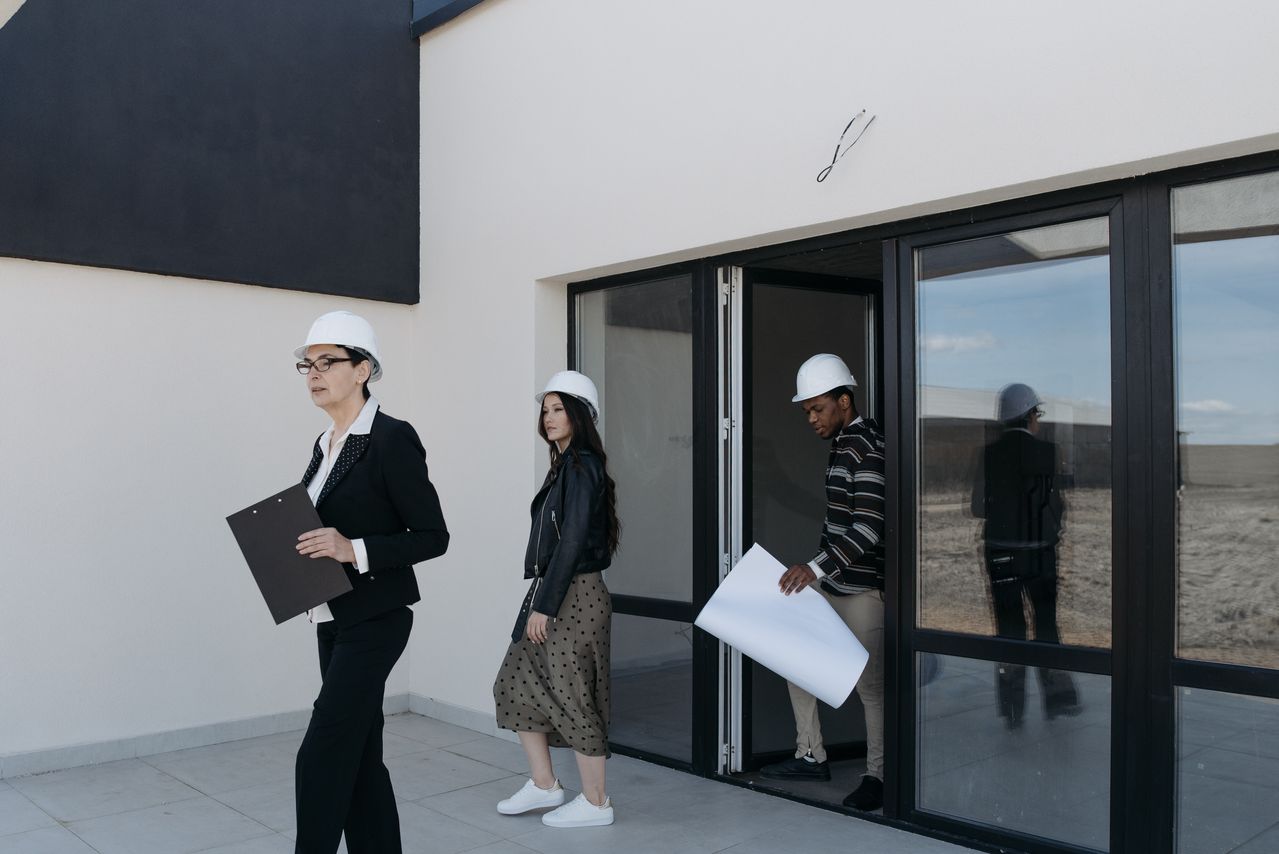
Turning a 48-Hour Clause Into a Clear Deal Plan
When a building inspection report lands with a 48-hour clause ticking away, most buyers feel like they are in a race they did not sign up for. There is a detailed list of defects, an agent wanting an answer, and a contract that will either move ahead or fall over based on what happens next. Under standard Queensland conditions, that pressure is very common.
I work in this space every day as a Brisbane building and timber pest inspector. Over hundreds of transactions, I have seen where buyers, conveyancers and brokers keep good deals alive, and where things break down. From a practitioner point of view, the real question is not “what does the report say?” but “what do we do with these findings in the next 48 hours so the client ends up with an informed, defensible decision?”
For me, the goal is simple and practical:
- No nasty surprises after settlement
- A fair, evidence-based basis to renegotiate if needed
- The confidence to advise the buyer to walk away when the risks are too high
A clear plan for who to call, what quotes to get, and how to present a position back to the agent or seller cuts through a lot of the anxiety you will see in buyers. I also lean on the Australian Standards that apply to my work, particularly AS 4349.1 (Pre-purchase inspections, Residential buildings) and AS 4349.3 (Timber pest inspections), so everyone involved can see what is normal for an older Brisbane property and what is genuinely outside the expected range.
Below is the step-by-step process I use and recommend to other professionals when a client is working under a 48-hour building and pest clause.
1. Locking in the Inspection Team Before the Offer Goes Forward
In practice, the 48-hour clock starts the moment the seller signs the contract. If your buyer waits until then to locate an inspector, conveyancer and finance support, they are already on the back foot.
From a professional-to-professional perspective, the smarter move is to have these roles pre-selected before an offer goes forward. That allows you to control the timeline instead of letting the timeline control you.
When you or your client are pre-selecting a Brisbane building and timber pest inspector, I suggest checking:
- Appropriate licences for both building and timber pest work
- Professional indemnity insurance
- Demonstrated experience with local housing types (Queenslanders, post‑war, townhouses, units)
- Confirmation that reports are carried out and structured in line with AS 4349.1 and AS 4349.3 (including their definitions of “major defect”, “minor defect” and “safety hazard”)
Next, lock in timeframes before the contract is signed. I encourage professionals to ask the inspector:
- Can you inspect within 24 hours of the contract date in most cases?
- How do you arrange access with the agent and any tenant, and who is responsible for that communication?
- When will the written report be delivered, and can we rely on a same‑day verbal summary for time‑critical triage?
Nominate one decision‑maker on the client side, usually the conveyancer or solicitor, to coordinate quotes and advice. From my experience, this single point of contact keeps the message going back to the agent clean, consistent and inside the tight building and pest window.
2. What a Brisbane Building Inspection Report Delivers in Practice
A lot of stress comes from buyers and even some advisers not being familiar with how a report is structured. My reports, and most reports drafted to AS 4349.1 and AS 4349.3, follow a similar pattern so professionals can find critical items quickly:
- Scope and limitations of the inspection (per AS 4349.1/4349.3)
- Summary of major issues
- Safety hazards
- Significant defects
- Minor defects
- Timber pest findings, including any active termites, evidence of damage, and conducive conditions
The language is not subjective. Under AS 4349.1, a “major defect” and a “minor defect” have specific meanings tied to serviceability and structural performance. The term “safety hazard” is also defined with reference to likely risk of injury. When you see these terms in a compliant report, they should be read as technical classifications, not emotional labels.
For older Brisbane housing stock, a long list of minor defects is normal and generally expected; in my experience those lists do not, on their own, justify contract renegotiation. It is the concentration of major defects, safety hazards, and timber pest issues, particularly those affecting structure, weatherproofing and liveability, that changes the risk profile.
Seasonal factors matter in this region. Late winter and early spring often highlight:
- Moisture ingress in subfloors and lower areas
- Increased termite pressure in certain suburbs
- Roof and gutter issues that become critical once storm season starts
Under the standards and Queensland legislation, there are clear limits to what I can do in a pre‑purchase inspection:
- No invasive inspection without specific authority
- No destructive testing
- Only reasonably accessible areas are inspected
- Only limited testing of services (I do not, for example, certify electrical systems)
Where I see possible issues that sit outside my scope, I will flag the need for further investigation by a structural engineer, licensed electrician, roofer, plumber or termite treatment company. That is consistent with AS 4349.1/4349.3 and is not a dodge; it is a way of making sure specialist risk is managed by the right trade.
3. The First 12 Hours After the Report: Triage, Not Panic
Once the report lands, the first 12 hours should be about structured triage. This is where professionals can add a lot of value by setting the tone.
I recommend you and your client start with the summary pages, not the photo appendix. Highlight anything clearly labelled as:
- Major defect or structural issue
- Safety hazard
- Termite activity or significant timber damage
- Items flagged as likely high‑cost or urgent
Cosmetic and minor items should be parked for later. They matter for long‑term maintenance planning, but they are rarely determinative under a 48‑hour building and pest clause.
I always encourage a same-day phone debrief between my office, the buyer and (if the buyer agrees) their conveyancer or adviser. In that call, I will usually:
- Rank issues by safety impact, structural risk, likely cost and urgency
- Clarify anything that looks alarming in writing but is routine in practice
- Identify any areas where further specialist advice is strongly recommended
Professionals can then send the report to the conveyancer with specific questions about how the findings interact with the contract conditions. If there is any chance the findings could affect valuation or insurance, I suggest flagging that early with the broker as well.
A short, factual update to the agent, that the report has been received and is being reviewed with the inspector and solicitor, keeps communication steady while you and the client work through the details.
4. 24, 36 Hours Remaining: Quotes, Evidence and a Credible Position
Once the key risks are identified, the next phase is gathering enough evidence to support any variation request. From a practitioner standpoint, you do not need full project scopes inside 48 hours, but you do need something more robust than guesswork.
I recommend prioritising issues that can materially change the property’s risk profile:
- Structural movement and cracking
- Roof, flashings and roof plumbing
- Plumbing and drainage defects
- Electrical safety concerns (e.g. older switchboards, exposed wiring, non‑compliant work)
- Waterproofing and moisture-related issues
- Termite treatment needs and repairs to damaged timbers
Where trades cannot attend site in time, many will provide a written ballpark using my report wording and photos. Ask them to provide, in a brief email:
- The specific defect they are commenting on
- Their broad recommendation for rectification
- An approximate cost range (with clear limits on accuracy)
For the sake of the conveyancer and your own file, I suggest consolidating this into a one-page summary or simple spreadsheet. Include:
- The issue
- The relevant line item or section in the building inspection report
- The trade comment
- The estimated cost range
This allows you to present a focused, evidence‑backed case to the agent without releasing the full report and losing control of the narrative, a risk I see often when buyers distribute the entire report too widely.
When you are ready to go back to the agent and seller, I find a calm, structured script works best. Typically, I see professionals have the most success when they:
- Confirm that the buyer still wants the property if key risks are addressed
- Refer to the specific report items that materially affect safety, structure or significant cost
- Attach supporting quotes or written estimates
- Make a clear, reasonable request: a price adjustment, repairs by appropriately licensed trades before settlement, or a combination
It also helps to show that everyone understands this is a used property, not a new build. Clearly separate genuine deal‑breakers from maintenance or “nice to have” items.
Tie the response firmly to the contract dates. Give the seller a clear deadline for responding, aligned with the building and pest condition timeframe, and keep all formal notices flowing through the conveyancer or solicitor to protect the buyer’s position.
Behind the scenes, you should be helping the buyer maintain a Plan B: accepting the property largely as‑is, accepting a smaller adjustment, or exercising the right to terminate in line with the contract and the findings.
5. After the Decision: Using the Report as a Maintenance Roadmap
Once the contract position is resolved, whether the buyer proceeds, renegotiates, or walks away, the report still has value. When the buyer proceeds, I encourage them to treat the report as a maintenance roadmap for the first few years of ownership, not just a hurdle to clear during due diligence.
A practical, standards‑aligned plan often includes:
- Booking periodic timber pest inspections in line with risk levels and AS 4349.3 guidance (often annually in higher‑risk areas)
- Scheduling roof, gutter and drainage checks before the Brisbane wet season
- Staging minor internal and cosmetic repairs over 12, 24 months based on budget and priority
From a practitioner’s standpoint, the objective is not to find or demand a perfect house. It is to give the buyer clear, standards‑based information, supported by realistic trade input, and then to help them use that information to either negotiate sensibly or exit cleanly.
Handled this way, a tight 48‑hour clause shifts from being a source of panic to a structured tool. It gives professionals a defined framework to manage timeline, communication and momentum, and it allows buyers to move ahead with clear eyes, backed by a transparent process and credible documentation.
Protect Your Brisbane Property With Clarity And Confidence
If you are ready to move forward and want a clear picture of your property’s condition, we can help with a detailed building inspection report. At Paul Klumper from Building & Pest Bne, we provide straightforward findings so you can make informed decisions and avoid costly surprises. Get in touch today and let us arrange a thorough inspection at a time that suits you, or contact us to discuss any questions before you book.